




Key Takeaways
- An ABN is required if you're running a business or earning income independently, not just as an employee.
- The ATO's "enterprise test" focuses on intent, scale and consistency – not just how much you earn.
- Rideshare drivers and sole traders almost always need an ABN from day one.

Table of Contents
- Do I Need an ABN? The Australian Eligibility Checklist (and How to Apply)
- What Is an ABN and What Is It Used For?
- Not Everyone Needs an ABN
- Hobby or Business? The Enterprise Test in Plain English
- The ABN Eligibility Checklist
- Common Scenarios Explained
- Do I Need an ABN as a Sole Trader?
- Do I Need an ABN for Casual Work?
- What Happens If You Apply When You're Not Entitled?
- If You Do Need an ABN, What Comes Next?
- Frequently Asked Questions
Do I Need an ABN? The Australian Eligibility Checklist (and How to Apply)
Many Australians are confused about how ABNs work and whether they need one for their business.
The answer is different for everyone as it depends on what you're doing and how you're doing it. Understanding whether you need an ABN comes down to whether you're genuinely running a business.
If you're sick of business jargon and want straightforward answers, then keep reading so that you can make the right call with clarity and confidence!
What Is an ABN and What Is It Used For?
An Australian Business Number (ABN) allows you to operate and get paid as a business in Australia. This unique 11-digit identifier is used to:
- Invoice clients for your services or products
- Receive payments without tax being withheld at a higher rate
- Report income and meet your tax obligations with the ATO
- Register a business name (ABN required for application) and trade under it
- Register for GST if your business reaches the required threshold
It also connects your business to other registrations, such as GST and business name registration. The key question is not just whether you need an ABN or whether your activity qualifies as a business in the first place.
Not Everyone Needs an ABN
You may not need an ABN straight away and that's completely normal. It all comes down to whether what you're doing is considered a business.
For example, a hobby that occasionally brings in income is treated differently from a structured activity where you're actively trying to make a profit. The key distinction is intent, scale and consistency. Your compliance requirements regarding ABN and GST are related to your business structure, so learning the difference is paramount.
Hobby or Business? The Enterprise Test in Plain English
The key factor in deciding if you need an ABN is if you're running what the ATO considers an "enterprise". In simple terms, this means you're carrying out an activity with the intention of making money, not just doing something occasionally for personal interest.
A helpful way to assess this is by asking yourself:
- Are you trying to make a profit from what you're doing?
- Do you carry out the activity regularly or consistently?
- Are you offering goods or services to others?
- Are you advertising, promoting or actively seeking clients?
- Do you have systems in place, like pricing, invoicing or record keeping?
- Are you planning to grow or rely on this income over time?
If several of these apply, you may be operating a business in the eyes of the ATO
The ABN Eligibility Checklist
Consider these dot points to help you gauge whether or not you need an ABN in Australia based on how your activity operates in practice:
- You're earning income on an ongoing basis, not just from a one-off activity
- You're carrying out the activity with the intention of making a profit
- You're providing goods or services to customers or clients
- You're running things in a business-like way, such as setting prices or keeping records
If most of these apply to your situation, you're likely operating a business and may need an ABN. If only one or none apply, you may still be in the early or hobby stage.
Common Scenarios Explained
Sometimes it's easier to understand where you stand by looking at real-world examples. The key difference is analysing whether you're operating as an employee or running your own business activity.
A tradie doing occasional weekend jobs for cash may not need an ABN at first, particularly if the work is irregular and not carried out as a business. However, if the activity is done with the intention of making a profit or becomes more consistent, it may be considered a business and an ABN may be required.
Alternatively, an Uber or rideshare driver typically needs an ABN from day one and must also register for GST regardless of income level. This is because you’re providing services independently and earning income directly from customers.
Lastly, an Etsy or online seller is different again as it depends on scale and intent. Selling a few personal items occasionally is different from consistently producing and selling products for profit.
Do I Need an ABN as a Sole Trader?
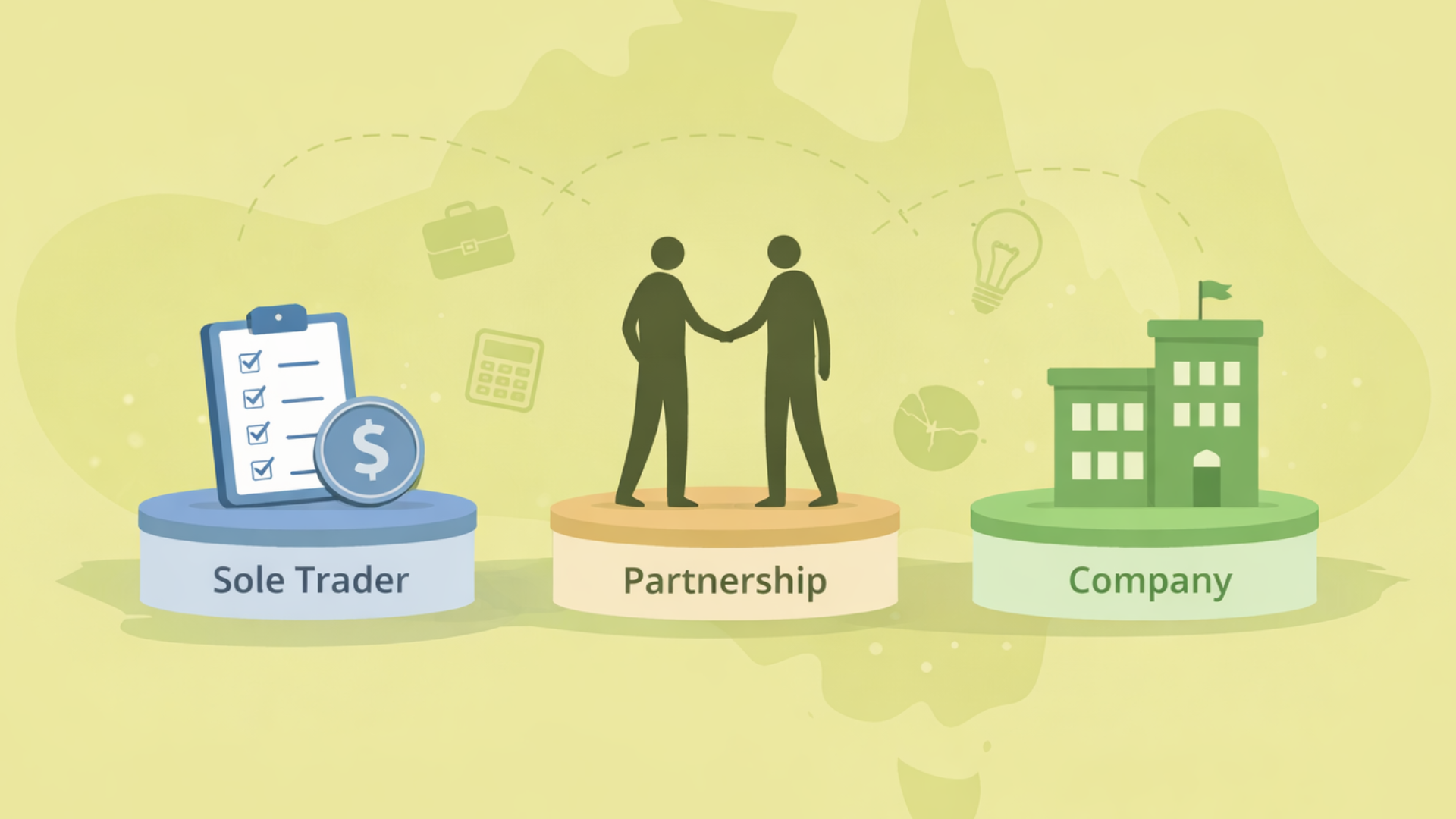
A sole trader is simply an individual running a business in their own name. If you're operating this way, in most cases, yes. That's because you're earning income independently, not as an employee. An ABN allows you to invoice clients, receive payments and report your income correctly. If you're offering services or selling goods on your own, you'll generally need one to operate properly.
Do I Need an ABN for Casual Work?
It depends on whether you're earning as an employee or running your own activity. If you're in a casual job where an employer pays you wages, you don't need an ABN.
However, if you're doing side work and charging clients directly, the answer is likely yes. Even if the income is irregular, it may still be considered a business depending on how you operate and your intention to make a profit.
What Happens If You Apply When You're Not Entitled?
If you apply for an ABN and your activity doesn't meet the eligibility criteria, your application may be declined. This is typically an administrative outcome rather than a penalty. In most cases, you can simply reapply once your situation changes and your activity meets the requirements of running a business.
If You Do Need an ABN, What Comes Next?
The next step is setting up the essentials to operate properly. This includes registering a business name if you plan to trade under one and registering for GST if your revenue is approaching or exceeds the $75,000 threshold.
Getting these steps right early helps you avoid issues later. Honcho can guide you through the process and help you set everything up correctly with confidence.
Please call 1300 587 203 or email support@honcho.com to speak with our expert team of Registered Tax Agents!
Frequently Asked Questions
Do I need an ABN in Australia?
You need an ABN if you're running a business or earning income independently. If you're only earning wages as an employee or pursuing a hobby, you generally don't need one.
When do I need an ABN?
You need an ABN when you start operating with the intention of making a profit, offering goods or services and earning income outside of employment.
Can I have an ABN without a registered business name?
Yes, you can operate with just an ABN under your own personal name. You only need to register a business name if you want to trade under a different name.
Do I need to register for GST with my ABN?
You only need to register for GST if your annual revenue reaches $75,000 or more or if you expect it to. Below that threshold, GST registration is optional.
How long does it take to get an ABN?
You can often receive an ABN immediately after applying online or some applications may take a few days if additional review is required.

Miralda Ishkhanian

Chief Operating Officer





 1300 587 203
 support@honcho.com
 Monday - Friday 9AM - 8PM AEST
 Suite 703, Level 7 The Trust Building 155 King Street, Sydney NSW 2000